

Heat Transfer Labels | Everything you need to know
If you’re a small business owner or aspiring clothing brand entrepreneur, you understand the importance of creating high-quality garments that stand out in the market. One crucial aspect of garment production is the labeling process. Clothing labels not only provide essential information to consumers but also serve as a branding element for your products. In this comprehensive guide, we will explore the world of heat transfer labels, a popular method for labeling garments, and delve into the benefits, application process, and legal requirements associated with these labels.

Understanding Heat Transfer Labels
Heat transfer labels are a method of applying a printed image directly onto a garment. This process involves fixing the image onto the fabric, resulting in a long-lasting and durable label. These labels are commonly used for customizing t-shirts and other apparel items. Heat transfer labels are particularly favored for their tagless feature, eliminating the irritation caused by traditional sewn-in labels.
Advantages of Heat Transfer Labels
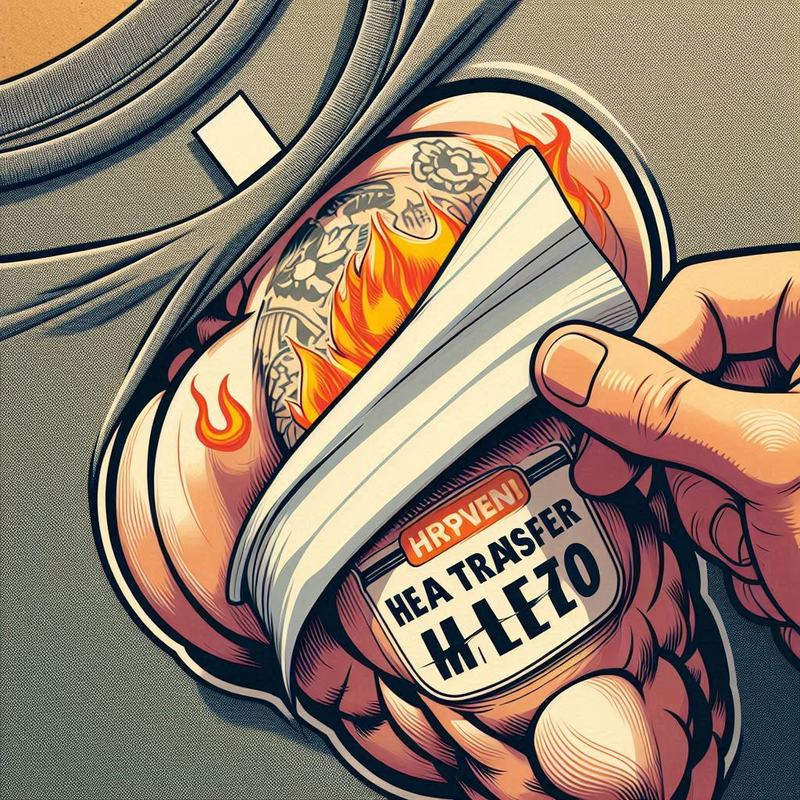
a. Comfort and Durability
One of the key benefits of heat transfer labels is the enhanced comfort they provide. Unlike sewn-in labels, which can be irritating and scratchy, heat transfer labels bond directly with the fabric, making them virtually undetectable when worn. Additionally, heat transfer labels are designed to withstand numerous wash cycles, ensuring the longevity of your garment.
b. Ease of Application
Applying heat transfer labels is a straightforward process that requires minimal skill. With the use of a heat press machine, the label is applied to the garment at a controlled temperature and pressure. This results in a clean and professional finish, saving you time and effort compared to sewing in labels.
c. Versatility in Design
Heat transfer labels offer a wide range of design possibilities. Whether you’re looking to create intricate patterns or bold logos, heat transfer technology allows for detailed and vibrant designs. With the option to print up to four colors, you can bring your creative vision to life.
How Heat Transfer Printing Works
a. Design and Printing
The first step in heat transfer printing is to create your desired design. This can be done using various printing methods, such as silk screen, flexo, or digital printing. The design is printed onto a special transfer paper or synthetic film that has a release layer, which aids in transferring the image onto the garment.
b. Heat Press Application
Once the design is printed, it is time to apply it to the garment using a heat press machine. The textile substrate is placed on the press, and the printed transfer paper or film is positioned on top, with the inked side in contact with the fabric. The press is set to the recommended temperature and pressure, and the handle is lowered to clamp the heat press shut. An alarm will sound when the designated time has elapsed.
c. Peeling and Cooling
After the designated time, the transfer paper is peeled off, leaving the inked design permanently transferred into the fabric’s fibers. Depending on the type of transfer paper used, some labels should be removed while still warm, while others must be left to cool before peeling off.
d. Setting and Washing
Finally, it is essential to allow the heat transfer labels to be set for 24 hours before washing the garment. This ensures the longevity of the label and prevents any damage during the washing process. Once the labels have set, the garment can be washed and worn with confidence.
Heat Transfer Labels vs. Sewn-In Labels
When it comes to choosing between heat transfer labels and sewn-in labels, several factors come into play. A sewn-in label is sewn into a piece of clothing or other textile product to display information about the item. Let’s explore the key differences between these labeling methods:
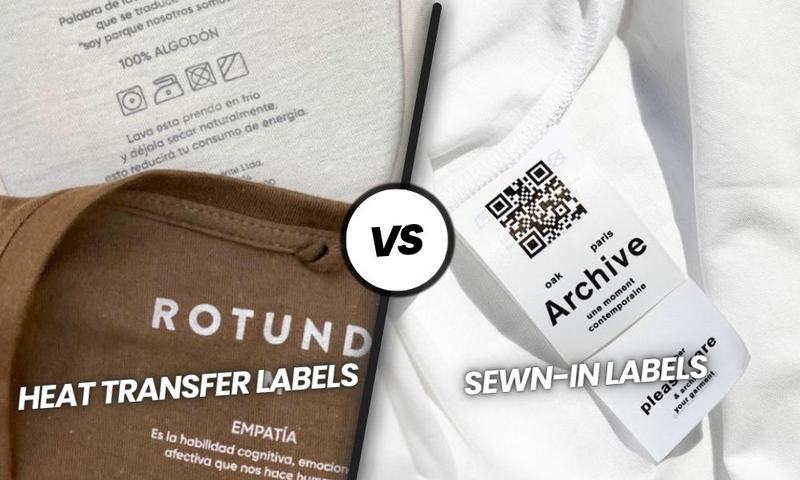
Heat Transfer Labels
- Cost-effective
- Quick and easy
- Comfortable to wear
- Versatile design options
- Resistant to wash cycles
Sewn-In Labels
- Higher cost
- Requires sewing skills
- Can be irritating and scratchy
- Limited design capabilities
- Prone to tearing
Published JUN 03, 2026 by Hongwei Global